Teams spend thousands of hours manually mapping infrastructure that changes faster than they can document it. The cost is easy to underestimate: hundreds of thousands in consultant fees, delayed projects, and a permanent state of not really knowing what you have.
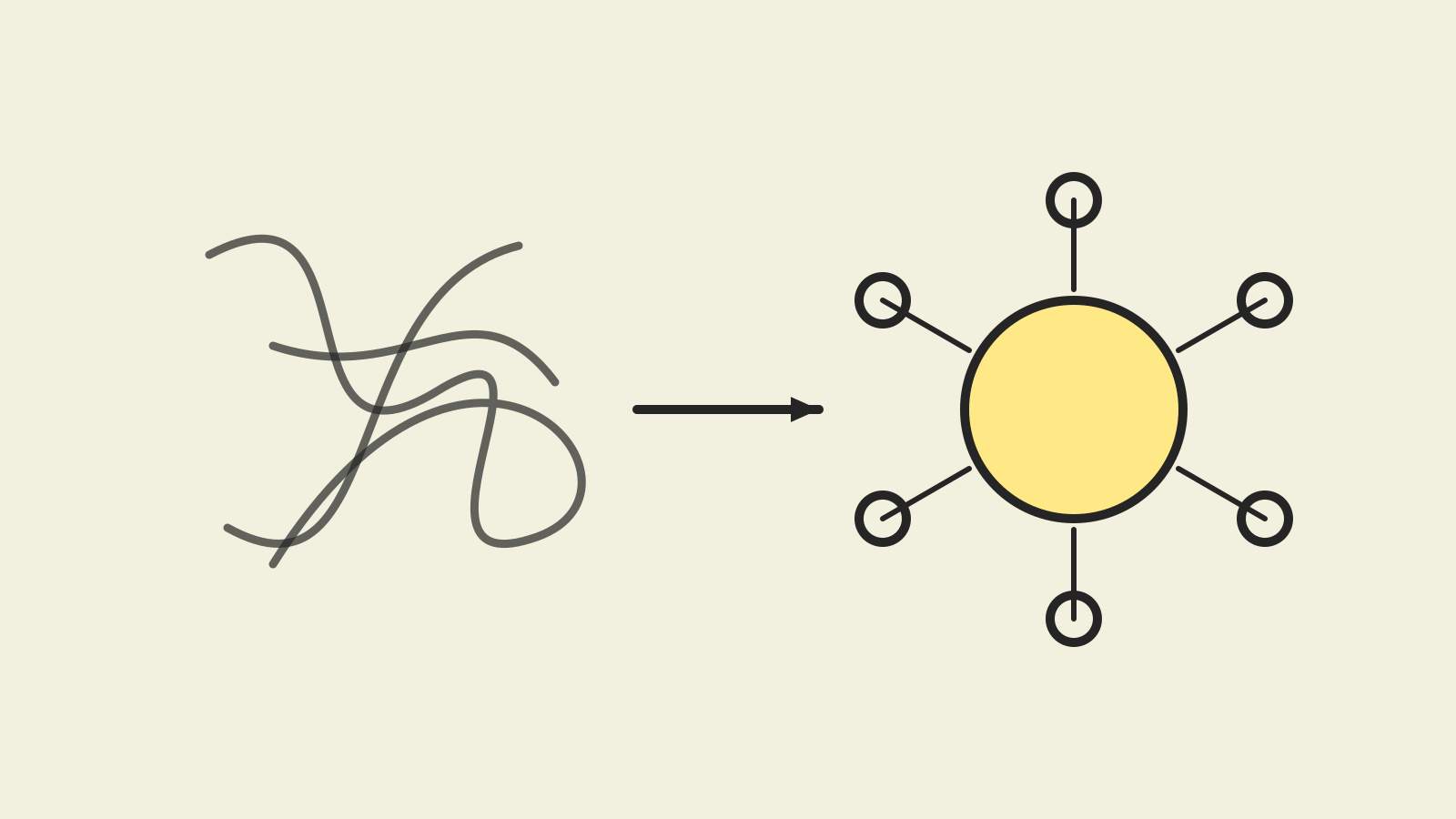
Mugato removes that work. Agentless discovery finds everything, continuous collection keeps it current, and AI-powered service dependency mapping shows how it all connects. Rather than reading static configuration files, Mugato observes what your systems actually do, so your documentation maintains itself.
This brief sets out where the manual work disappears, and what changes for the teams currently doing it.
You need Mugato to give you that overview. Otherwise, you're working blindly. We were blindfolded for many years. Documentation was, at best, out of date, but many times nonexistent. Mugato allowed us to map out the entire application landscape.
Henrik Amsinck, Chief Information Officer, Falck
What's inside
- Ten ways a real-time blueprint differs from periodic, static snapshots
- The three steps that remove manual mapping: discover, collect continuously, map automatically
- Six use cases where the manual work disappears, from change management to audit readiness
- Why coverage moves from “where we know to deploy agents” to everything
- What predictable change management and fast incident response actually depend on